
How Do I Cool Down My Garage?
Summer in Western North Carolina might get you opening your garage to extremely hot air. The good news is that there are simple steps you can take right now, as well as a permanent solution that stops the problem at its source. You’ll learn how to cool your garage and understand the best option for your home, prevent belongings from getting damaged, reduce your energy bills and make good use of the space.
Quick Fixes for a Cooler Garage Today
These immediate tips help cool your garage, reduce heat and offer relief while you consider a more complete solution:
- Let your car cool off first: A hot engine continues to radiate heat for hours after you finish driving. If you can, park outside for 30 minutes to an hour before pulling into the garage for the night. This prevents all that stored heat from warming up your entire space.
- Improve air circulation: Moving stagnant air out makes any garage feel better. A simple box fan, positioned in a window or doorway, pushes hot air out while pulling in cooler air. Clearing floor clutter also helps since boxes, equipment and furniture block airflow and trap heat. The more open floor space you have, the better air can move through the garage.
Understanding Heat Transfer and Poor Air Sealing
The tips above help, but they only address symptoms. The actual cause is an uninsulated, poorly sealed garage door that allows heat to transfer through all day long. Fixing the problem for good requires focusing on three elements:
- Insulation stops heat from transferring through the garage door itself. Without it, the door absorbs heat from outside and radiates it into your garage.
- Air sealing closes the gaps around the door frame where hot air enters, even when the door is shut.
- Ventilation lets hot air escape instead of building up inside.
All three work together to create a comfortable space.
The Best Way to Cool a Garage Is With a Quality Door
If you want a real solution, a modern insulated garage door is the most effective choice. Here’s how upgrading your door addresses the three elements of heat transfer and solves the problem permanently.
- Insulation: Multilayer insulated garage doors resist heat transfer, keeping the interior temperature stable. The insulation protects everything you store inside from extreme heat and makes the garage comfortable enough to actually use. Higher insulation values mean better performance, especially during hot months.
- Air sealing: Insulation only works if the door seals properly. Professional installation includes fresh weatherstripping that closes gaps around the entire door perimeter. This stops hot air from entering and prevents conditioned air from escaping if your garage connects to your home. Over time, old weatherstripping cracks and shrinks, which is why new seals make such a noticeable difference. For maintenance on existing seals, our weather seal services can help.
- Ventilation: Some modern garage doors include window options and built-in ventilation features that fit into your overall cooling strategy. These aren’t a replacement for insulation and sealing, but they support better airflow when you need it.
Get a Professional Solution for Your Home
Fans and parking strategies help temporarily, but a modern insulated garage door is a good way to keep the garage cool in summer. You can stop dealing with excessive heat and turn your garage into a space that actually works for you.
If you’re ready to make your garage comfortable, our team at Garage Door Specialists can help. We’ll walk you through insulated door options that fit your home and budget. Contact us today for a consultation.
Popular Clopay® Garage Door Styles in Asheville

Asheville is located in the Blue Ridge Mountains and is known for its striking natural setting, arts scene and history. This city also has beautiful homes in many different styles, including mountain cabins, rustic farmhouses, midcentury modern homes, craftsman homes and art deco houses. From the lakefront cottages of Lake Lure to the mountain cabins of Black Mountain and historic homes in Hendersonville, our region showcases diverse architectural beauty.
Whatever your home style, you can find a garage door that suits your preferences in Asheville. Your garage door has a significant impact on curb appeal and can elevate your home’s appearance. Learn more about popular garage door trends in Asheville to choose the best option for your home.
Craftsman Bungalows
Craftsman bungalow homes have a cozy feel. They often feature low-pitched roofs, wide eaves and large front porches with tapered columns. Inside, you’ll typically see an open layout and built-in furniture.
Several Clopay garage door styles pair well with craftsman bungalows:
- Canyon Ridge® Carriage House (5-Layer) Doors
- Reserve® Wood Limited Edition Doors
- Gallery® Steel Doors
To choose craftsman bungalow garage doors, consider your home’s color scheme and architectural elements. How might a new garage door blend in or stand out with your home’s architecture? You should also consider your budget, garage door size and personal style preferences.
Victorian Homes
Beautiful Victorian homes are common in the Asheville area. If you are looking for Victorian home garage door styles, choose options with ornate details, vibrant colors, asymmetrical facades or arched shapes. These architectural details are common in Victorian home design.
Here are some Clopay garage door styles to consider for Victorian homes:
Your garage door can enhance your home’s historic look or modernize your home, depending on your design preferences. With a Clopay door, you can find exactly what you want, thanks to the wide range of colors, window shapes and material options. Draw inspiration from the rest of your home, or choose a classic garage door that will never go out of style.
Colonial Revival

Colonial revival homes reflect early colonial architecture with brick and white columns. These homes also often have symmetrical facades and gabled roofs. Many colonial revival homes feature high-contrast exteriors, with black and white used next to each other.
These Clopay garage door styles pair well with colonial revival homes:
If you’re looking for colonial revival garage door styles in Asheville, Clopay has many options. You can choose a door that enhances your home’s colonial design by creating contrast. On the other hand, a neutral color will reduce contrast so that your garage door blends into your home’s exterior.
Modern and Contemporary
This home style is characterized by clean lines, lots of windows and a warm indoor glow. Modern and contemporary homes are often boxy, offering interesting angles that bring modern art to mind. Home exteriors often mix several materials and colors for a two- or three-toned look.
You can consider these Clopay door styles to complement a modern home:
Many modern and contemporary homes use steel elements for an industrial appeal. Steel is one of the most durable garage door materials — it lasts for years and requires little maintenance. In addition to being practical, steel lets the modern architectural elements of your home shine.
Farmhouse
Farmhouse homes have become increasingly popular over the last few decades. They involve a lot of white design elements, natural wood, simple architecture and large porches. Many farmhouse homes also have high contrast, like a white exterior with black window shutters, black trim and a black roof.
These Clopay garage doors pair well with this home style:
The best garage doors for Asheville homes with a farmhouse style often have a natural wood finish or use color to create contrast. You can choose from a variety of whites, creams and dark wood tones for the perfect farmhouse garage doors.
Cottage and Cabin
Cabin-style homes are common in the mountainous Asheville area. Both cabins and cottages rely on stone and wood to create a cozy, natural feel. These homes can be rustic or modern, offering options for homeowners no matter their design preferences.
Here are some great Clopay options for cottage and cabin garage doors:
Wood garage doors are an excellent choice for cottage and cabin homes, and they come in various styles. For a more modern feel, you can go with a dark steel material that brings mountains to mind.
Unsure of Your Home’s Style?
Maybe you’ve read through this list and can’t seem to place your home. Not every house fits neatly into a certain style, and that’s OK! Sometimes, homes become a mix of several styles with renovations and personal design choices over time.
If you’re unsure of your home’s style, start by listing the colors and materials used on its exterior. Look at the basic shapes that make up your home, whether that includes triangles, rectangles or arches. Think about your favorite part of your home’s exterior and why you like it.
You can use this information to find a garage door that enhances everything you love about your home. If you need additional input, consider speaking to one of the garage door experts at Asheville Garage Door, LLC. We’re familiar with the area and can help you make a decision you’ll love.
Try the Clopay Garage Door Visualizer Tool
Clopay understands the impact of garage doors on the exterior of your home. That’s why they have created a Garage Door Visualizer Tool — to help you envision your home with different styles so that you can have confidence when making this upgrade.
To use the EZDoor™ tool, simply upload a photo of your home and then choose a door to see it paired with your house. You can customize the design, windows and color online to get a glimpse of your new door. We encourage you to experiment with styles that complement your home, as well as unexpected options — you might be surprised by what stands out to you!
Contact Asheville Garage Door to Refresh Your Home
Asheville Garage Door brings our customers high-quality Clopay garage doors. We’ve been serving Asheville residents for more than 25 years with garage door repair and installation services. Through our partnership with Clopay, we are proud to offer residents the highest quality garage doors in various designs.
Whether you’re looking for garage doors for historic homes or custom garage doors in Asheville, you can trust Asheville Garage. If you have any questions about our options, please reach out to us at 828-255-0830, and we’ll be happy to help. You can also fill out our online contact form to request an estimate. We look forward to hearing from you!

Commercial & Industrial Garage Door Sizes: Complete Sizing Guide
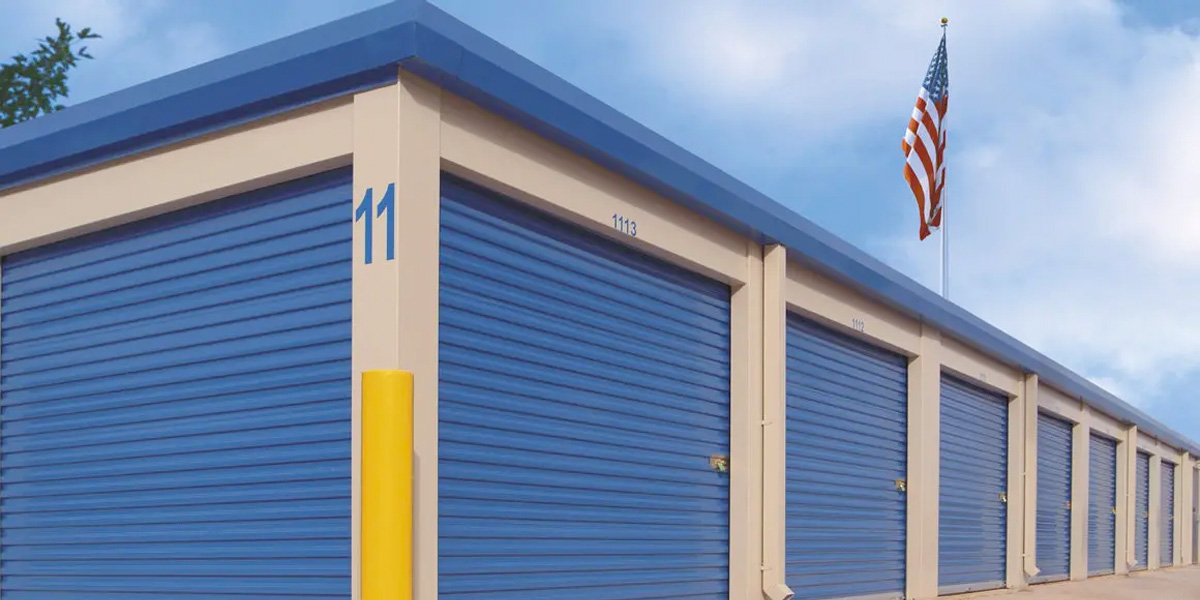
Commercial garage doors protect your business or facility from intruders and the weather. However, they’re not one-size-fits-all. Many commercial overhead doors are custom because not every industrial garage door opening size is the same. Check out this guide to determine what size you need.
Commercial Garage Door Sizes
There are commercial overhead doors and sizes for various applications. The most common are roll-up, security grilles and insulated overhead.
Roll-Up
These steel or aluminum commercial doors are great for saving space because they don’t require tracks. Instead, they open by rolling up and over the entrance. Standard roll-up door sizes are 30 by 30 feet, but can be 50 by 40 feet to accommodate larger openings. Optional high-traffic and temperature control features include faster opening and closing cycles and high cycle capability.
Here are the benefits of commercial roll-up garage doors.
- Security: Steel and aluminum are robust, damage-resistant materials. These doors have robust locking systems and no visible access points when closed.
- Easy maintenance: Roll-up doors have fewer parts that require regular lubrication. They can also tolerate damage, corrosion, rust and weather elements, necessitating fewer repairs.
- Energy efficiency: These doors provide a gapless seal when closed, preventing small animals from entering and air from flowing in and out of the building. You can choose an insulated roll-up door for further weather protection and temperature control.
- Durability: Overhead roll-up doors can last many years with proper maintenance. They can withstand frequent use and weather damage, and resist rust.
- Space-saving: Roll-up doors increase the available overhead and garage floor space.
Security Grilles
Metal security grilles act as barriers that reinforce and protect doors and windows. They roll up and typically have an open design that provides visual access and air circulation. Full-closure models offer enhanced security. There are many patterns, styles and colors. Security grilles cover openings up to 40 feet wide and 20 feet tall.
Security grilles offer many benefits.
- Deterring crime: Criminals avoid businesses with security grilles because they can’t easily enter your property. Most burglars don’t have the ability, time and resources to attempt breaking into a building with a security grille.
- Low maintenance: Security grilles last for many years with routine maintenance.
- Design flexibility: You can customize your security grille by adding optional features to fit your opening and operation needs.
- Aesthetics: These curtains can add beauty and security. You can choose different patterns and finishes.
- Automatic: The grilles open and close using a remote or button.
Insulated Overhead Doors
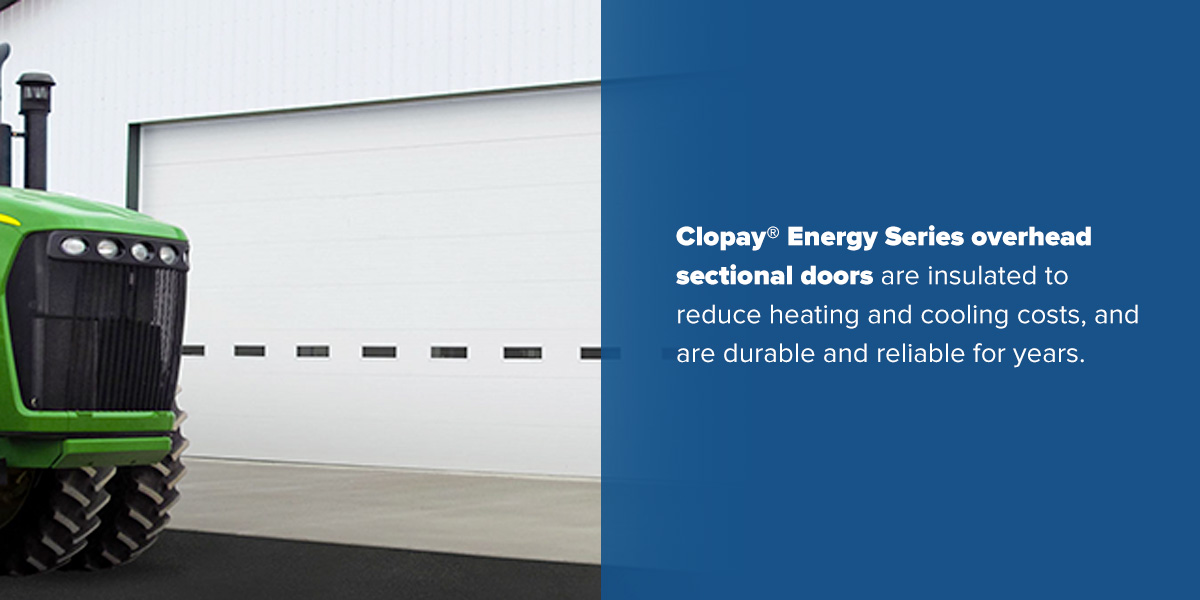
Commercial overhead doors look sleek while providing energy efficiency and enhanced security. Clopay® Energy Series overhead sectional doors are insulated to reduce heating and cooling costs, and are durable and reliable for years. They come in standard warehouse door sizes and others with widths of 16, 24’2″ or 26’2″ feet and heights of 16, 18 or 20 feet. Clopay Energy Series with Intellicore® offers superior climate control. These doors are available in 18’2″, 24’2″, 30’2″, 32’2″, 36’2″ or 40’2″ feet wide and 16, 18 or 20 feet high.
The advantages of commercial overhead doors include the following.
- Customization: You can choose window options, glazing materials, color, material and other design features. There are also optional specialty and performance upgrades.
- Cost-saving: They feature polyurethane and polystyrene materials for excellent weather protection and climate control, saving you energy costs.
- Reliability: Clopay doors have robust, quality materials for maximum security and safety.
- Longevity: These doors last for many years with minimal maintenance.
What Type of Door Is Best for Your Industry?
Numerous industries benefit from commercial garage doors, but each requires a different type. Here are the various kinds of commercial overhead doors and their applications.
- Roll-up: Roll-up garage doors are perfect for warehouses, loading docks, storage buildings, automotive shops and high-security facilities like pharmacies, factories and transit centers.
- Security grilles: Security grilles are excellent for shopping malls, convention centers, garages, schools, building exterior openings, storefronts or areas within buildings, such as pharmacies or parts counters.
- Overhead doors: Standard overhead doors are ideal for repair shops, restaurants, manufacturing companies and retail stores.
How to Choose the Right Size for Your Business
You can customize commercial garage doors to fit any opening, and professionals can fit security grilles into walls during construction. However, you must measure the opening to choose the appropriately sized door. Here are the five measurements you need to find the correct size.
- Width: Measure the widest point of the opening. You want the measurement to be in exact feet and inches.
- Height: Find the highest point from the opening to the floor and measure the distance. Record this measurement in precise feet and inches.
- Sideroom: Measure to the left and right of the door’s opening to the nearest wall or obstacle. Allow 4-3/4″ on either side of the door for steel jamb construction and 3-3/4″ for standard masonry or wood jamb. Add a few inches to the measurement if your door has tracks. And allow for ample space, almost a foot, between doors.
- Headroom: Measure the distance between the opening’s top and the ceiling’s lowest point or nearest obstruction.
- Backroom: Measure the distance between the opening and the back wall or closest obstacle. The door height plus 23″ for 2″ track and 25″ for 3″ track is necessary for proper door installation.
Other Factors to Consider When Choosing a Commercial Garage Door
Aside from the size, there are other considerations when choosing a commercial garage door.
- Purpose: Knowing the door’s primary purpose helps you narrow down your choices. For instance, you might choose a security grille for a store and a roll-up door for an automotive shop.
- Weather resistance: If your region frequently experiences harsh weather conditions, you need a door that can withstand them.
- Energy efficiency: High-traffic areas and places requiring climate control need insulated doors.
- Security: Your desired level of protection helps you choose your door.
- Aesthetics: If you value aesthetics, decide whether you want a door that seamlessly integrates with your building’s design.
Let Us Help You Find the Size and Door You Need
Asheville Garage Door can help you find the perfect commercial garage door for your business or facility. We stock a wide range of options with various customization levels. With more than 25 years of experience in the industry, our knowledgeable and professional team can advise you on the best choices for your business. Browse our commercial garage doors, or contact us today to request a free estimate.
Is It Okay to Open Your Garage Door With a Broken Spring?
Can You Open a Garage Door With a Broken Spring?
Garages are a primary entry point in our daily routines, so they get a lot of wear and tear. Since the springs that support and operate garage doors are among the most common components to break down, you might wonder what happens when a garage door spring breaks. What are the signs of a broken spring? Read on to learn more about whether your garage door will open safely with a broken spring.
How Do You Know if the Spring Is Broken?
Your senses of sight and hearing are your best indicators of a broken garage door spring. Look and listen for several issues, including:
- Doors that close too quickly.
- Doors that misalign.
- Noisy operation or a loud snap.
- Springs that show visible damage or corrosion.
- Doors that don’t open fully.
Can You Open a Door if the Spring Is Broken?
While we don’t recommend using a garage door with a broken spring, you can still open your garage door if you do it manually and with caution. Prevent additional safety hazards by refraining from using an automatic opener.
How to Open a Garage Door With a Broken Spring
Garage doors are heavier than you may think at first, so it’s best to have an extra set of hands or two before you attempt to move the door. Disconnect your automatic opener first, and cautiously move the door without pinching your fingers, bending panels or damaging the rails. Remember to keep it level and lift it entirely until it settles into the overhead rails.
How to Close a Garage Door With a Broken Spring
When closing a garage door with a broken spring, you’ll need to support the door for its entire journey back to the ground. Move slowly and keep the garage door level to avoid additional repair costs. Gently guide the door back into place with your assistant, taking the same care with the panels and side rails.
Is It Safe to Open the Garage Door When a Spring Is Broken?
Asheville Garage Door, LLC does not recommend opening and closing garage doors with broken springs except in emergencies. There are potential hazards in doing so, including:
- Physical injury from lifting, pinching or a door slamming down.
- Damage to panels, rails and other components.
- Off-track doors supported by single cables may break, causing the door to collapse.
- Loosening of opener systems that can dislodge them.
For the safest outcomes, avoid using the door and consult a trusted professional repair person as soon as possible.
Get Professional Garage Door Spring Repair From Asheville Garage Door, LLC
We’re the local experts in garage door spring repair in the greater Asheville area because we’ve been doing it for more than two decades. Don’t leave the safety and quality of something you depend on up to just anyone.
Our experienced and knowledgeable technicians have the tools and skills to replace your springs quickly. The Asheville Garage Door, LLC team prides itself on an exceptional customer service experience with high-quality products.
Contact us online today to schedule your repair, or call 828-439-0845 for immediate service.
What are the Parts of a Garage Door
Parts of a Garage Door
The garage is an essential part of any house. Your garage can improve curb appeal and the overall value of your home. Even if you use your garage door every day, you might not know much about how the garage door system works. When you learn more about the components of a garage door and how they operate, you’re better prepared to face potential challenges and make the best choices for your home.
Components of a Garage Door System
Garage door systems vary, but most have the same essential parts and pieces. Here are the primary components of the typical garage door:
- Door: The door itself is the most prominent part of any garage system. Garage doors, also known as sections, are the panels that serve as the actual barrier between your garage and the outside world. These panels come in various sizes and styles to suit your preferences, including sectional, retractable, roll-up and more. You can choose from materials like steel or aluminum and nearly any color you can imagine.
- Opener: Your garage door opener is a central component of the system’s opening mechanism. The operator is a small box mounted on the ceiling that contains a motor and a small computer. Garage door openers come in several brands and styles, but they all require electricity to open and close the door.
- Springs: Along with the opener, garage door springs provide much of the power needed to open the door. Springs counterbalance the garage door’s weight, harnessing elastic energy to reduce strain on the operator or anyone manually lifting the door. There are two types of garage door springs. A torsion spring is placed above the door, while extension springs run along the side of the horizontal tracks.
- Tube: Only systems with torsion springs have a tube shaft. The tube shaft is a metal bar mounted above the garage door that keeps the torsion spring in place. The spring wraps around the tube and transfers its power to the drums.
- Drums: Drums are also only present on garage doors with torsion springs. Garage door drums are like pulley wheels that sit on either end of the tube shaft and connect to the cables. When the torsion spring releases energy, the drums rotate and cause the cables to extend or retract, depending on whether the door is opening or closing.
- Cables: Garage doors have several types of cables, including torsion spring cables, extension spring cables and safety cables. Metal cables primarily connect the bottom of the garage door to the drums and pull the door up as the lift mechanism is activated.
- Tracks: Tracks and rollers keep the door on a set path. Metal tracks and small wheels make sure the door stays in place every time it opens and closes. These tracks ensure proper alignment and safe operation. Many doors won’t open if they come off the tracks as a safety feature.
- Safety sensor: Motorized garage doors are useful tools, but they’re also potential safety hazards due to their size and weight. Federal standards require every garage door installed after 1992 to have safety sensors. These sensors sit a few feet above the ground on either side of the garage door. If they detect something in the door’s path as it closes, they automatically halt the door to prevent injuries.
- Additional features: Every garage door system is different, and some have additional features, such as emergency cords, locks for security and struts and seals for extra support or reinforcement.
When Do I Need Garage Door Parts?
If you use your garage every day, your garage door system experiences a lot of wear and tear. Over time, constant use can erode various parts of the system and lead to problems. Proper maintenance can extend the life of your garage door components, but when a major problem arises, you need a professional to quickly and safely address the issue.
At Asheville Garage Door, LLC, we offer garage door installation, service and sales. Our team of skilled technicians is available to assist you with a range of residential and commercial garage door issues or to install a new door at your home or business.
Garage Door Service and Installation in Asheville, NC
Learn more about garage door pieces and how Asheville Garage Door, LLC, gets our customers the best products and services available. Get a free estimate from our team or request a service appointment today!
How Long Do Garage Door Springs Last?
Garage door springs are a central component of every garage door system. These springs help your door function properly every day, but how much do you really know about them? A broken spring is one of the most common issues with commercial and residential garage doors. Learn more about the average lifespan of garage door springs and when you should replace them.
What Are Garage Door Springs?
Garage door springs are a basic part of any garage door. Springs provide the lift necessary to open and close the door. Most residential and commercial garage door systems use either torsion or extension springs.
Torsion Springs
Garage door torsion springs use mechanical energy and torque to lift and lower the door. These springs wrap around a horizontal bar, which is mounted on the wall above the garage door. The torsion springs tighten when the door is closed and loosen when the door opens.
Extension Springs
Another common type of garage door spring is the extension spring. Garage doors that use an extension spring system have two springs that run along the side of the horizontal tracks and provide equal support on each side. The tightly coiled springs are attached at both ends to other garage door components.
Why Do Garage Springs Break?
Broken springs are a common problem among garage doors of all kinds. There are several reasons why torsion and extension springs break:
- Age: Every time you open or close your garage door, it puts pressure on the springs. This constant use can lead to deterioration over time.
- Rust: External materials also contribute to the decline of garage springs. Rust, dirt and debris accumulate over the years, speeding up the deterioration process. Regular maintenance can help prevent rust buildup and extend the life of your springs.
- Excessive pressure: If your garage door system relies on one torsion spring instead of two or isn’t suited to your door, the excessive pressure can wear down the springs and reduce their expected lifespan.
Garage Door Spring Life Expectancy
The life expectancy of your garage door springs depends on several factors, including the type of spring, your garage door system and how often you use it. The typical lifespan for most springs is about 10,000 cycles or three to five years.
If your springs are approaching this age or you begin to notice changes in their appearance or function, it might be time to consider new garage door springs. It’s better to replace your springs early than to wait until after they break.
Call Asheville Garage Door Today
If you need to replace your garage door springs in Western North Carolina, call Asheville Garage Door, LLC. With over 25 years of experience, we’re the premier garage door installation, repair and service company in Buncombe County.
Our experts provide professional service and high-quality parts for projects of any size. We’re so confident in the quality of our work that we offer full-year warranties on parts and labor for new installs. Contact our team with any questions or call us at 828-255-0830 to get a free estimate from our garage door experts and replace your garage door springs today!
How to Choose the Best Garage Door Color for Your Home
Is your garage door looking a bit lackluster? Maybe the paint is fading and peeling, or it no longer fits right with your style or neighborhood architecture. Whatever the reason for wanting a new look for your garage, the great news is that updating the door can increase your property value and could even offer a substantial return on investment!
Since most garage doors take up as much as one-third of your home’s facade, the color choice significantly impacts your home’s overall look — making it all the more crucial to choose the best color for your home.
Our experts are here to take the guesswork out of knowing what color to paint your garage door with this handy guide. Discover how to select the right garage door color based on your home’s color scheme, exterior finishes and architectural style.
What Color Is Your House?
Before you pop open a can of paint or finalize a new garage door purchase, make sure you choose garage paint colors that complement your home’s color scheme. Just because you love a particular shade doesn’t mean it’s a wise choice for your house exterior.
A vivid purple blouse may look incredible on you, but that shade on your garage door could turn your neighbor’s heads for all the wrong reasons.
To pick the best garage colors for your home, you first need to examine your home’s color scheme.
Evaluate Your Three Main Home Colors
Step outside and take a long look at your home’s exterior. Make sure the garage is in view, even if it isn’t attached to the main house so you can visualize finishes together.
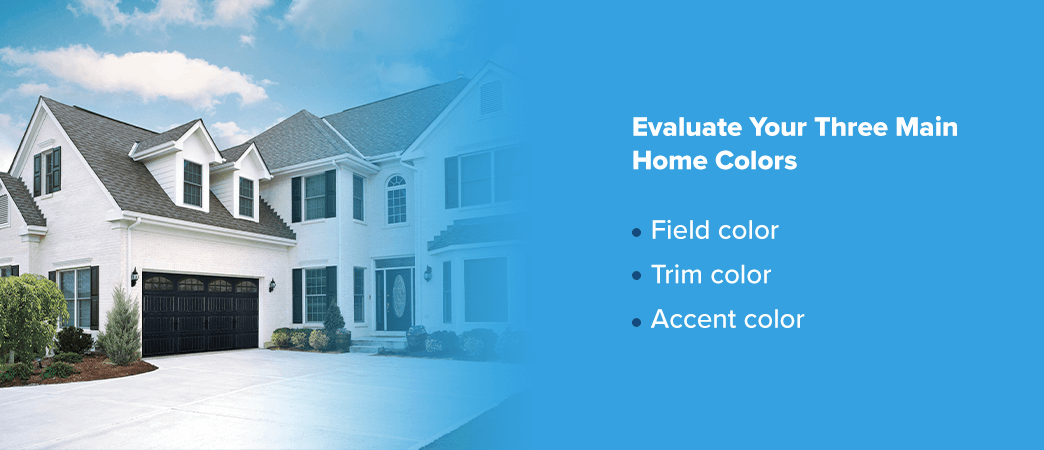
Every home has three main colors. What are yours?
- Field color: The dominant color covering most of your home — the brick, stone or siding exterior — is the field color. Garage doors that match a home’s field color blend in and visually expand the house.
- Trim color: Trim includes edging material like door frames, awnings and soffits, and they’re usually a neutral white, cream or black. Many homeowners like to match their garage door to the house trim.
- Accent color: The boldest colors on a home are found in eye-catching accents — your front door and shutters. Avoid matching the garage door to your dominant accent color so you don’t upstage your home’s main areas.
In communities like Arden and Waynesville, you’ll notice certain color trends that reflect regional architectural preferences—from warm earth tones to classic mountain cabin stains.
Let’s dive into a quick lesson on the color wheel and color theory to help you understand how colors relate to one another:
- Complementary colors: Complementary colors are direct opposites on the color wheel and offer the strongest visual contrast. Warm yellow pops against cool purple, and vivid orange sings against calming blue.
- Monochromatic colors: Monochromatic colors are different shades of the same hue that offer a cohesive look. The light-to-dark gradient effect on paint swatch cards is an example of a monochromatic aesthetic — imagine a bright pink door on a pastel pink house with a barely pink, almost white trim. On-trend ombre is a popular interior design choice, so it’s no surprise this is a desirable look for house exteriors.
- Analogous colors: Colors next to each other on the color wheel are analogous, like red and red-orange or blue and blue-green. This visual effect is a little bolder than monochrome, yet not as intense as complementary colors.
- Warm and cool colors: Warm colors grab attention and excite, while cool colors calm and relax the viewer. The colors on one half of the wheel, from yellow to red-violet, are warm — the golden sunset colors. You’ll find cool colors on the other half of the wheel between violet, blue and green — think oceanic, grassy hues.
- Neutral colors: Black, gray, brown, tan, cream and white neutrals are not typically included on the color wheel. In the context of design, neutrals are the most versatile because they pair with just about every other color, making them the most popular choice for garage doors.
Now that you understand the effect of different color combinations, let’s learn how to pick a garage door color based on your home’s existing appearance.
White House Garage Door Colors
Bright and timeless, a white house is the perfect blank canvas for various garage door finish and color ideas:
- White: If you want your home to appear larger, a monochromatic white garage door extends the main color of your home, so visitors focus on other details.
- Black: If you want guests to notice your garage door immediately, an elegant black door provides the highest contrast against a modern white house.
- Gray: If you want contrast without committing to a black garage door, consider cool neutral light dove gray or dark charcoal alternatives.
- Brown or wood stain: Do you love the contrast of gray but desire warmth? The warmer tones found in brown or wood-stained doors offer a rich, timeless look.
- Color: If you crave color, white homes offer an ideal backdrop. Prevent the children’s coloring book look by skipping primary colors and choosing softer, more sophisticated versions of your favorites. Instead of color-wheel blue, choose a lighter shade blended with gray. Instead of bright shamrock green, use a softer shade mixed with brown or cream, like olive or sage. Create a cohesive color story with matching shutters, and choose a complementary color for your front door.
Gray House Garage Door Colors
The gray house exterior trend has picked up steam as a versatile neutral option. From nearly white to dark and stormy, the range of grays is vast. Select a door color that complements your specific gray, be it cool or warm, light or dark:
- Make it monochrome: Use the same gray as your home’s field color to expand your house visually and keep your garage subtle. For contrast, choose a gray that’s a shade or two lighter or darker — be sure to maintain the same cool or warm undertone as the dominant gray hue of your home.
- Add contrast: If you want to balance pops of color with a neutral color scheme, add contrast. Is your home a light gray? Go for dark charcoal or black. Is your house a dark gray? Go for a crisp white garage door.
- Dig into deep color: If you want your garage door to make a statement, choose a saturated, darker color for your gray exterior. Rich jewel tones and deeper hues like navy blue, hunter green and burgundy contrast against a gray backdrop. Pull it all together with matching shutters or other architectural details.
- Be careful with browns: Contrast is the key to a successful wood or brown-tone garage door with a gray house. The overall aesthetic could look muddy if both tones are too similar — equally dark or light, or equally cool or warm. Work this color combination with contrast in mind. Pair a dark brown wooden door with a light gray home, or add a warm cedar door to a cool charcoal exterior.
Stone and Brick House Garage Door Colors
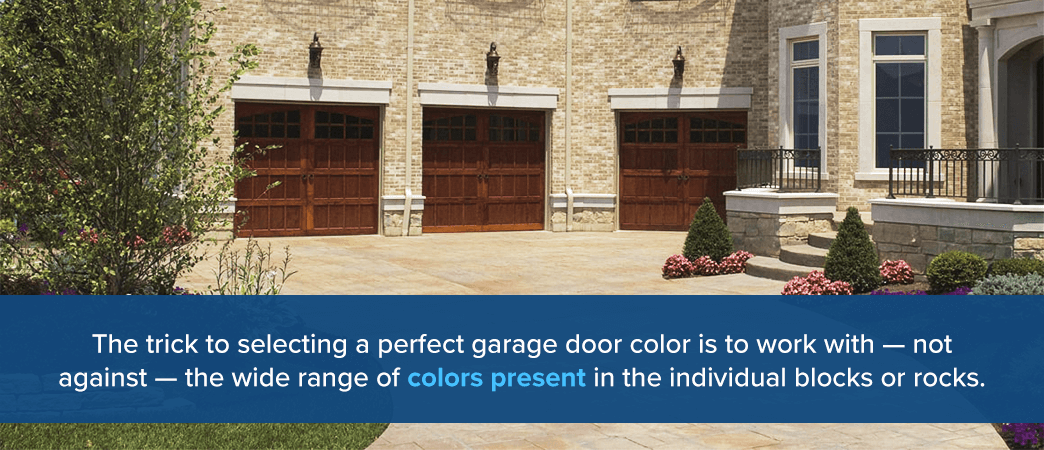
The beauty of stone and brick is found in their natural texture and color variations. A brick home may look red from afar, but up close are shades of brown, maroon, bright red and black. The trick to selecting a perfect garage door color is to work with — not against — the wide range of colors present in the individual blocks or rocks. A garage door color that looks great with a gray rock exterior may not look good with reddish brown stones.
Follow these tips to choose the best color door for your brick or stone house:
- Lean into analogous colors: Examine all the tones in your stone. What’s the primary color? What are the accent tones? If you want your garage door to blend in, select a color that’s close to the main color. If you want a subtle contrast, choose a nearby tone on the color wheel.
- Adopt the natural aesthetic: Brick looks lovely with earthy colors and wood tones. Consider neutrals found in nature for your garage door — warm browns, textured wood, smoky grays or creamy taupes.
- Choose high-contrast: Determine the dominant color in your stone and choose a sophisticated version of the complementary color from the color wheel for a dynamic appearance. If your brick is red, choose an earthy green tone — mint, sage or moss. For a yellowish stone, a muted lavender garage door will play up the wow factor.
- Use a soft neutral: Instead of stark black or white, consider a softer contrast for a neutral garage door on a brick home. Cream, taupe and light gray coordinate with the natural lighter tones found in your exterior.
Consider Your Architectural Style and Neighborhood
If the homes on your block share a similar architectural style, you may want to match your garage door color with prominent house colors in the neighborhood. The right color door honors your home’s history, emphasizes its architecture and maintains a cohesive look with the community.
If you’re one of the 73 million Americans living in a community with a homeowners association (HOA) or own property in a historic district, you may need approval for your garage door color and style. Reach out to your board to determine an approved range of options.
Get inspired by traditional colors for some of the most popular architectural house styles:
- Cape Cod: Originating in New England, Cape Cods were designed to withstand the stormy weather of the Northeast coast. Choose a garage door color to complement the tones in the shingled, wood or stone exterior. The best Cape Cod garage colors nod to its history — classic white, cool harbor grays and Atlantic-inspired blues.
- Colonial: One of America’s most popular house styles, symmetrical colonial homes feature brick or wood facades that pair nicely with traditional and wood-look garage doors. Carriage doors are an excellent choice for more ornate Federal-style homes. Choose door hues based on the home’s exterior brick color — white, cream and gray are safe neutrals, and earthy tones are a great historical choice option.
- Craftsman: Embrace the finishes of the Arts and Crafts movement with carriage doors in stained wood or nature-inspired tones like mossy greens, stony grays, lake blues and earthy browns. For a warmer color scheme, autumnal colors like rust orange, mustard yellow and wine red are ideal for Craftsman, Mission and bungalow homes.
- Greek Revival: The most common field color for Greek Revival homes is white or off-white. Choose a classic white door to blend seamlessly with this architectural style.
- Modern: Mid-century modern, minimalist and contemporary homes feature clean lines and mixed materials, like wood, metal and glass. Complement your contemporary home with a stained-wood, dark slate or jet black garage door that shows off frosted glass panels.
- Victorian: Known for their multicolored exteriors, Victorian homes may be one of the few cases where a white door would stick out like a sore thumb! Embrace the fun colors in the exterior and carry those tones into your garage doors. Maintain the jewel-like effect of your house using a two-tone approach to mimic the painted trims in Victorian architecture.
Garage Door Color Ideas: Accent & Contrasting Options
Two-tone colors are ideal for doors with layered details, like carriage doors. Painting the raised sections a different color from the base ties the garage door to your house details and accents. Consider these gorgeous combinations:
- Sage green with taupe trim
- Light gray with crisp white trim
- Buttery yellow with cream trim
- Dark charcoal with light gray trim
- Medium wood stain with dark brown trim
- Warm tan with almond trim
- Stormy gray-blue with classic white trim
5 Garage Door Color Tips
Narrow down your perfect garage door tone with these at-a-glance color tips:
- Consider the climate: If you live in a sunny or humid environment, wood doors may warp or fade without proper treatment. Keep seasonal weather conditions in mind as you select your door. Talk to a trusted garage door specialist to choose finishes that will look beautiful for years to come.
- Choose a compatible color for the door material: Use a color that’s compatible with your preferred garage door material. Wood, steel, aluminum, vinyl and composite doors offer different colors and factory finishes in varying degrees of durability and maintenance.
- Avoid front door competition: Your front door should always be the focal point of your house — make sure it stands out against the rest of your home and garage. Don’t accidentally upstage your entry by matching your garage to the front door. Reserve bright, intense colors for the front door unless you have a Victorian home painted porch-to-turret with multiple hues.
- Keep curb appeal in mind: If in doubt, the easiest choice you can make for your resale and home value is to pick a door that matches the tone and style of the garages on your block. A one-tone, clean and classic neutral like white or light gray is always safe.
- Pick timeless over trendy: Color trends come and go in fashion and design. Your garage door will last many years, so choose a timeless color that will ensure your home looks beautiful no matter what colors are on-trend next season. The most common garage door color is classic white. Other popular garage door colors that look good in any decade include gray, taupe and walnut brown.
Choose the Best Garage Door From Asheville Garage Door, LLC
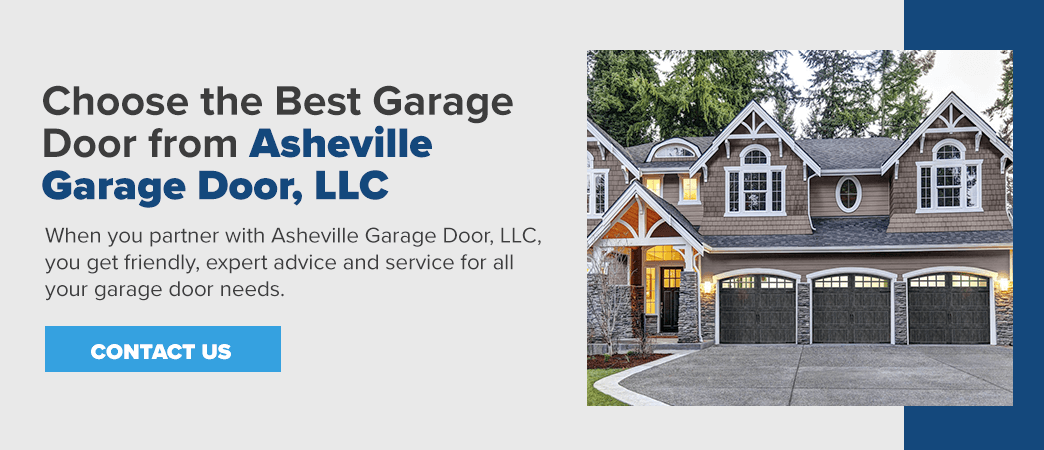
Are you looking to update your garage door? We’ve got you covered! When you partner with Asheville Garage Door, LLC, you get friendly, expert advice and service for all your garage door needs. We offer a wide selection of superior-quality garage doors for your home or business.
As a top-rated garage door repair and installation company with more than 25 years of experience, we work with you to provide the best possible garage door solutions and help you select the best choice for your budget to boost curb appeal, add security, improve energy efficiency and increase your property value.
Give us a call at 828-255-0830 or contact us online today to find the garage door of your dreams!
Top Garage Door Trends in 2026
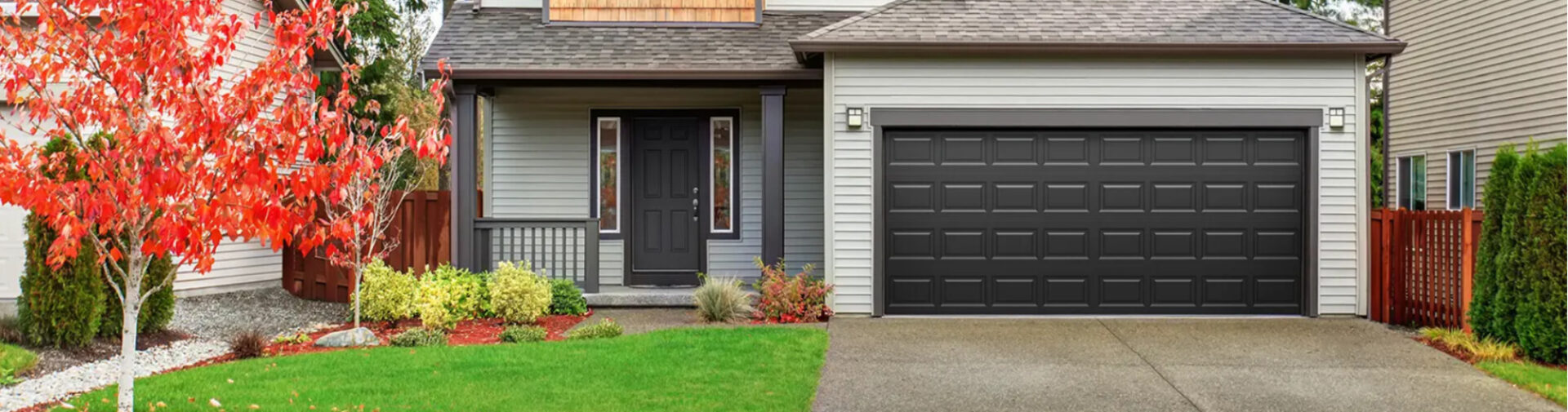
In decades past, a garage door served as nothing more than an entry point. Today’s garage doors have evolved into design features, smart home hubs and energy-efficiency heroes. Homeowners seek doors that blend modern features with striking aesthetic appeal. Each year sees new trends emerge. This year, AI technology, bold new color palettes and contemporary design dominate the list.
Looking for inspiration? Explore these trending garage door ideas for 2026.
Future-Proof Garage Door Technology
Technology continues to change how we live, including the way we interact with our garage doors. Here are some of the latest advances making waves:
-
Smart integration: In 2026, we can control everything from appliances to temperatures from our phones. Garage doors have joined the revolution. Some systems integrate with hubs like Google Home or Amazon Alexa. You could use a simple voice command when you arrive home to open the garage door, turn on the lights and play your favorite song.
-
AI innovations: AI-powered systems adapt to learned usage patterns, predict maintenance and analyze data to optimize performance.
-
Feature-rich openers: Smart garage door openers enhance convenience and security. Sophisticated myQ technology from LiftMaster lets you control your door from anywhere through a smartphone app.
-
High-tech security: Strengthening security remains a top trend. Biometrics and smart locks allow personalized access. Rolling codes generate a unique code every time you use your opener, while AI-enabled cameras detect unusual activity.
Modern Garage Door Designs
Few home improvements refresh your home’s exterior like a new garage door. The latest trends favor sleek lines, sustainable design, mixed materials and matte finishes.
Jump on these garage door trends:
- Understated steel: Steel’s strength, durability and versatility make it a must-have material. This year’s steel garage doors let the material shine without any fussy detailing. Think modern appeal with minimalist panels and subtle finishes.
- Tech-savvy glass: Smart glass panels change from transparent to opaque in response to external triggers, allowing you to control privacy and visibility. Integrating LED lighting into a glass garage door creates visual interest while improving safety.
- Farmhouse with a twist: Traditional, rustic carriage house-style garage doors have received a modern twist. Clean lines accompany contemporary flourishes like expansive windows and contrasting black hardware.
- Wood alternatives: While natural wood remains a timeless choice, faux wood composites continue to gain popularity. These doors give you the warm aesthetic you crave with fewer maintenance requirements.
- Less is more: As we move into the future, minimalist contemporary garage doors will likely stay. Flush panels, grid-less glass and sleek lines complement any architecture.
- Mixed-material designs: Mixing wood and metal or glass and composite provides a statement-making contrast while offering combined benefits.
- Sustainability: Caring for the planet never goes out of style. Responsible homeowners prefer doors made from recycled composites with low-VOC finishes, backed by eco-certifications.
- Matte finishes: Gone are the high-shine, mirror-like gloss garage doors of yesteryear. Today’s finishes are understated and low-sheen, offering a velvety-soft appearance.
- Customized garage doors: The modern age celebrates individuality and self-expression. Modern garage doors do the same. Made-to-order doors let you personalize everything from hardware to window patterns to create a truly unique design.
Trending Garage Door Colors
Deeper hues and contrasting shades have replaced boring beiges. Check out these on-trend colors:
- Deep charcoal and dark gray: Basic gray has matured into something moodier. These darker tones exude a quiet elegance that showcases rather than overpowers your home’s exterior.
- Warm white or cream: Stark white is a shade best left for hospital settings. The new white shades are richer, warmer and more welcoming.
- Navy or rich blue: Darker blues offer a sophisticated, calming aesthetic. Create a striking contrast with cream trim and brushed metallic hardware.
- Two-tone combinations: This trend uses two contrasting or complementary colors to add visual interest, such as darker shades with a lighter trim.
- Sage or olive green: These earthy shades evoke feelings of balance and serenity. They blend seamlessly with the surrounding natural landscape.
- Bronze or copper: The secret to an eye-catching garage door is in the details. Accent your door with bronze or copper hardware for a vintage look that boasts old-world charm.
- Matte black: This year’s black garage doors have swapped glossy finishes for matte. The flat sheen hides dust and dirt better than glossier options.
Discover the Trendiest Garage Doors at Asheville Garage Door, LLC
The team at Asheville Garage Door, LLC has seen plenty of trends come and go over the last three decades. One thing has remained constant — our dedication to providing exceptional service. Let us help you find your dream garage door. Explore our range of premium garage doors from the industry leader, Clopay®. Contact us or request a free estimate online.